
In recent years the term headless WordPress has started to be heard often in the world of web development. This approach, which is increasingly preferred especially in large-scale projects and by corporate companies, is quite different from traditional WordPress use. Last week, when a client asked me, “What is headless WordPress and how can it benefit us?”, I realized it was time for me to explain this topic in detail.
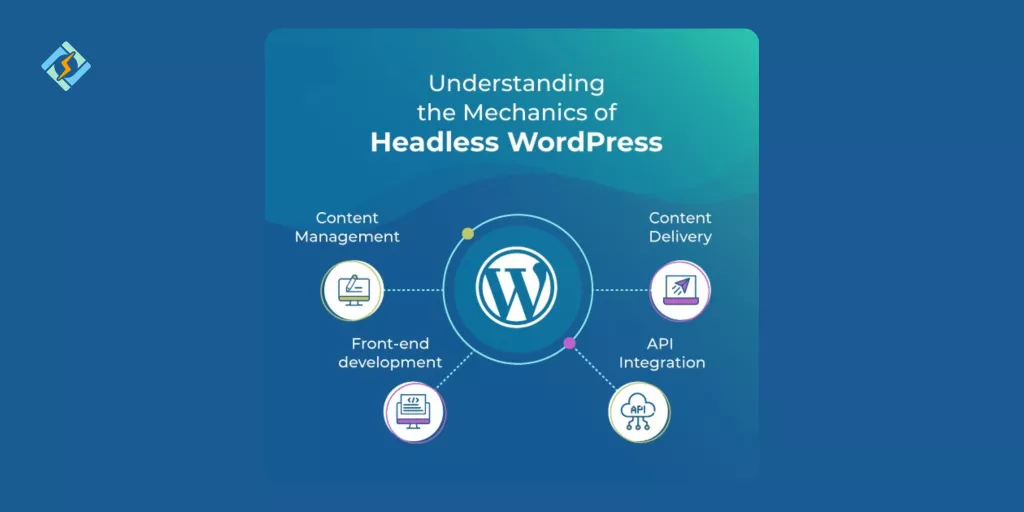
Put simply, headless WordPress is an approach in which you use only the content management system (CMS) part of WordPress and develop the front end (frontend) with different technologies. In traditional WordPress, both the admin panel and the look of your website run on the same system, whereas in a headless setup the two are separated. This separation offers great advantages, especially for modern web applications.
How Headless WordPress Works
In traditional WordPress use, when a visitor visits your website, WordPress both manages the content and determines how the page will look. In the headless approach, WordPress acts only as an API (Application Programming Interface). Your content is delivered to your frontend application through the WordPress REST API or GraphQL.
In this system you continue to use the WordPress admin panel for entering and editing content. However, the front end of your website is developed with modern JavaScript frameworks such as React, Vue.js and Angular, or with static site generators such as Next.js and Gatsby. Thanks to this approach, you can keep WordPress’s powerful content management capabilities while benefiting from the performance and flexibility that modern web technologies provide.
The Advantages Headless WordPress Offers
The biggest advantage of the headless WordPress approach is improved performance. On traditional WordPress sites, theme files, plugins and database queries can affect page load speed. In a headless setup, your frontend application runs much faster because it uses optimized JavaScript frameworks. Especially when used together with a CDN (Content Delivery Network), page load times drop dramatically.
It also offers important benefits in terms of security. On traditional WordPress sites, the admin panel and the frontend are on the same domain, which creates a larger attack surface for attackers. In a headless setup, the WordPress admin panel is usually hosted on a different subdomain or on an entirely separate server. This significantly increases your site’s security.
Headless WordPress also provides major advantages in scalability. For sites with heavy traffic, you can host the frontend and backend on separate servers and scale each one according to need. You can also use the same WordPress API on different platforms such as a website, a mobile app and IoT devices.
Challenges and Disadvantages You May Face
The biggest disadvantage of headless WordPress is increased complexity. While you manage a single system in traditional WordPress, in a headless setup you need to manage two separate systems, both backend and frontend. This means that technical knowledge is required and maintenance costs go up.
There are also points to watch out for in terms of cost. In headless WordPress projects you generally need experienced frontend developers. Developers who know modern JavaScript frameworks such as React and Vue.js cost more than traditional WordPress developers. In addition, the need for two separate hosting plans and potentially greater use of third-party services can increase costs.
You may also run into limitations with WordPress’s SEO plugins. Popular SEO plugins such as Yoast SEO and RankMath may not work fully in a headless setup. You may need to manage SEO metadata manually in your frontend application. However, this can be solved with the right approach, and even better SEO results can be achieved.
When Should You Choose Headless WordPress?
Headless WordPress is not suitable for every project. If you are building a simple corporate website, a blog or a small-scale e-commerce site, the traditional WordPress approach may make more sense. Headless WordPress should be chosen especially in the following situations:
It is an ideal choice for large-scale projects with high performance requirements. The headless setup offers major advantages especially for news sites, e-commerce platforms or SaaS applications that receive thousands of visitors per second. At the same time, if you want to use your content on multiple platforms (web, mobile app, kiosk applications), the headless approach lets you distribute a single content source to multiple frontends.
Headless WordPress is also an ideal choice for projects that deliver a customized user experience. With the interactive features, animations and dynamic content management offered by modern JavaScript frameworks, you can give users a much richer experience.
Conclusion and Recommendations
Headless WordPress is a powerful approach that delivers tremendous benefits when used in the right projects. Although it has important advantages over traditional WordPress in terms of performance, security and scalability, you also need to take factors such as increased complexity and cost into account.
If your business is planning a large-scale project, has high performance requirements or follows an omnichannel digital strategy, you should definitely consider the headless WordPress approach. But before deciding, carefully analyze the capacity of your current technical team, your budget and your long-term goals.
If you would like more detailed information on headless WordPress or want to assess whether it suits your project, I recommend talking to an experienced web development team. With the right planning, headless WordPress can play an important role in your business’s digital transformation.