
I remember as if it were yesterday the difficult time we went through about 10 years ago, developing a WordPress-based project for a mid-sized e-commerce site. Client requests kept changing, the project scope kept growing and the delivery date stayed fixed. Because we were working with the classic waterfall methodology, every change set us back, team motivation dropped and the project was at risk. That was true until we adopted Agile methodology. This change did not just save that project; it transformed the way we do all our work.
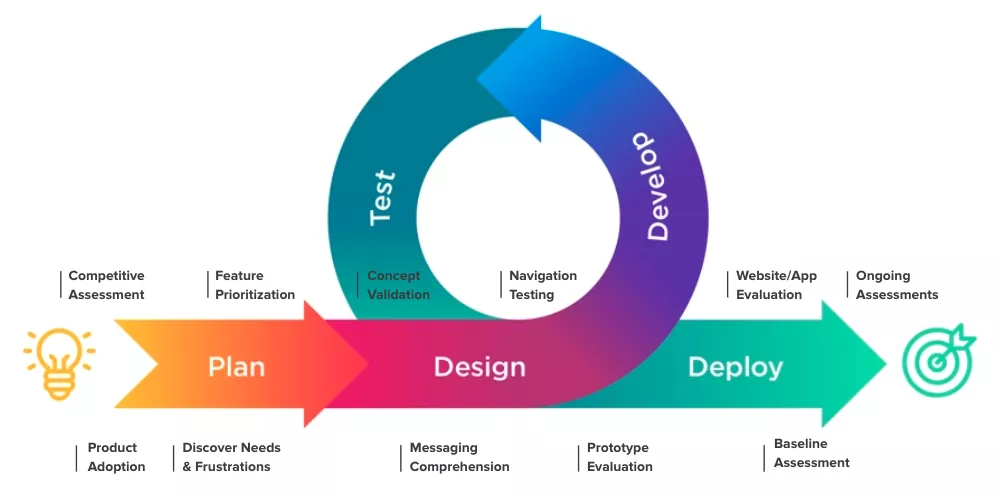
Today the web development world is changing fast. To succeed in WordPress, e-commerce, mobile apps and custom software projects, technical knowledge alone is not enough; you also need an effective project management methodology. This is where Agile methodology is becoming increasingly important in web development projects. This approach, which increases customer satisfaction, adapts quickly to changing requirements and produces quality results, has become indispensable for many web agencies and corporate firms.
What Is Agile and Why Should You Choose It for Web Development Projects?
Agile literally means “nimble”, and as the name suggests, it is a nimble, flexible project management methodology. Unlike traditional project management approaches, Agile divides the project into small pieces and develops each piece in short iterations (sprints). This approach aims to adapt quickly to changing requirements and to deliver value to the customer continuously.
There are several important reasons why Agile methodology has gained popularity in web development:
- Quick Response to Change: In web projects, customer requests can change frequently. Agile allows fast adaptation to these changes.
- Early and Frequent Delivery: Customers start seeing a working product at an early stage, which speeds up the feedback process.
- Risk Minimization: Progressing in small pieces prevents major mistakes and makes risk management easier.
- Collaboration and Transparency: Constant communication between the customer and the team keeps the project moving in the right direction.
The Scrum Framework in WordPress and Web Development
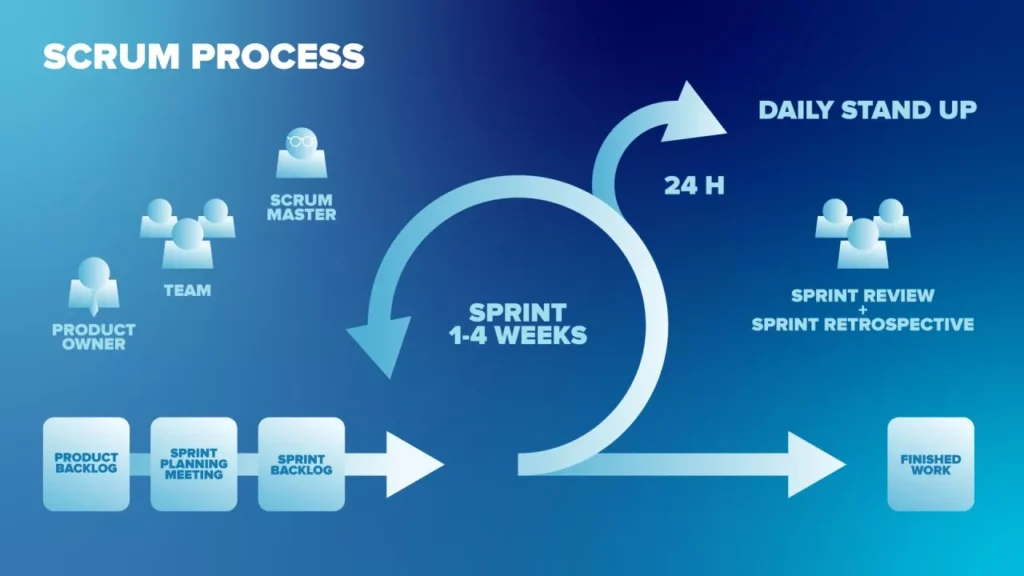
Scrum is one of the most widely used frameworks within Agile methodology. Applying Scrum in WordPress and general web development projects significantly increases the project’s chances of success. A typical Scrum process includes the following components:
Sprint Planning and the Product Backlog
In WordPress projects, all requirements such as theme development, plugin integration and custom functions are recorded in the Product Backlog. In the sprint planning meeting, the team decides which items will be completed in the next sprint (usually periods of 1 to 4 weeks). For example, for an e-commerce site, modules such as the product catalog first, then the payment system and then the membership system can be completed in separate sprints.
In my experience, setting the sprint length to 2 weeks in WordPress projects strikes an ideal balance, both for showing the customer regular progress and for giving the team enough development time.
Daily Scrum and Sprint Review
The short daily meetings (Daily Scrum) are critical for tracking the team’s progress and spotting obstacles quickly. In web development teams, these meetings are what coordinate work between different areas of expertise (front end, back end, design). In the review meeting held at the end of the sprint, the features that have been developed are shown to the customer and feedback is collected.
For example, in one of our corporate website projects, when the design team finished the homepage mockup, they shared it with the front-end team in the Daily Scrum, so the CSS implementation could start right away. This parallel working model significantly increased the project’s speed.
Sprint Retrospective
In this meeting at the end of each sprint, the team focuses on what went well, what should be improved and what needs to change in the next sprint. This stage is extremely valuable for continuously improving web development processes.
Steps for Applying Agile Methodology in WordPress Projects
Let’s explain the steps you should follow to apply Agile methodology specifically to WordPress, with practical examples:
- Define the Project Vision: Together with the customer, define the website’s purpose, target audience and core functions.
- Create User Stories: Define user-focused requirements such as “As a visitor, I want to be able to filter products by category.”
- Prioritize the Product Backlog: Rank all features by business value and focus on the most critical features in the first sprints.
- Split Theme Development and Plugin Selection into Sprints: For example, the basic theme structure and page templates can be developed in the first sprint, custom fields and content types in the second, and e-commerce features in the third.
- Set Up Test Automation: In WordPress projects, create automated tests, especially for responsive design and browser compatibility.
Agile Tools and WordPress Integration
There are many tools for managing Agile processes. Here are the tools most often used in WordPress projects and how to integrate them:
Jira or Trello: These project management tools are ideal for creating Agile cards and tracking sprints. For defining WordPress custom fields, user stories can be created directly in these tools.
Communication with Slack: Slack, which handles communication within the team and with the customer, is particularly effective for managing the urgent situations that come up during WordPress development.
Git Version Control: In WordPress theme and plugin development, Git is indispensable for tracking code changes and coordinating teamwork. Commits made through GitLab or GitHub can be linked to the relevant user stories.
Automated Deployment Systems: With CI/CD tools such as Jenkins or GitHub Actions, automatically deploying WordPress projects to test and live environments speeds up Agile processes.
The Benefits of the Agile Approach and a Real Case Study
A large-scale B2B portal project we completed last year clearly showed the benefits of Agile methodology. Over a 6-month period, this WordPress project, with more than 50 custom content types and a complex membership structure, would probably have failed if it had been managed with traditional methods.
The concrete benefits we gained with the Agile approach:
- Adapting to Changing Market Conditions: During the project, because of the effects of the pandemic, the customer’s business model changed and online sales features were prioritized. Thanks to the Agile approach, we were able to integrate this change into the project quickly.
- Budget Control: Two-week sprints ensured efficient use of resources, and the project achieved a 15% budget saving.
- High Customer Satisfaction: The customer’s constant involvement in the process and seeing working modules at an early stage built trust and ensured the project fully met customer expectations.
- Performance Optimization: The performance tests carried out at the end of each sprint led to continuous improvement of site speed.
Challenges You May Face with the Agile Approach and Suggested Solutions
Despite all the advantages of Agile methodology, you may face some challenges in WordPress projects:
Scope Creep
Agile’s openness to change can sometimes lead customers to keep requesting new features. In this case, create a clear “sprint backlog” at the start of each sprint and keep the discipline of postponing change requests made during a sprint to the next sprint.
Lack of Documentation
Agile focuses on working software instead of excessive documentation. In WordPress projects, however, adequate documentation is necessary, especially for custom content types and theme functions. Make it a habit to update the documentation of the developed features at the end of each sprint.
Accumulating Technical Debt
The pressure of fast delivery can sometimes lead to compromises on quality. To prevent technical debt in WordPress projects, define clear “Definition of Done” criteria and make sure every feature meets them. For example, make steps such as code review, browser compatibility testing and an SEO check mandatory before a feature counts as complete.
Conclusion: Agile Transformation in Your WordPress Projects
Applying Agile methodology in web development, and in WordPress projects in particular, brings great advantages for both agencies and customers. Quick adaptation to changing requirements, continuous improvement, high quality and customer satisfaction are among the core benefits Agile provides.
If you are still managing your WordPress projects with traditional project management approaches, you can start integrating Agile principles gradually. First, plan two-week sprints, hold short daily meetings and involve the customer in the process. Over time, as your team and customers get used to this new way of working, you can move on to more advanced Agile practices.
Remember, Agile is not just a methodology, but also a way of thinking. Be open to change, keep learning and keep improving your web development processes. This approach will significantly increase the success of your WordPress projects.
Do you also apply Agile methodology in your web development projects? Which Agile tools and techniques do you use? Share your experiences in the comments, so we can learn and grow together.