
After supporting the setup of hundreds of WordPress sites over many years, one of the most important lessons I have learned is this: choosing the right WordPress theme is one of the most critical steps determining the success of your project. Last week, when we changed the theme for a corporate client, that move alone increased the site’s loading speed by 40%, and its mobile user experience score also rose significantly. In other words, theme selection is not just a visual preference, it is also a technical decision.
There are thousands of theme options in the WordPress universe, and it is very easy to get lost in this abundance. Free, premium, custom-coded, industry-specific, multipurpose themes… So how will you choose the theme that best fits your needs in such a wide pool? In this post, I will present the theme selection criteria I have built up over years of experience, common mistakes, and my professional recommendations.
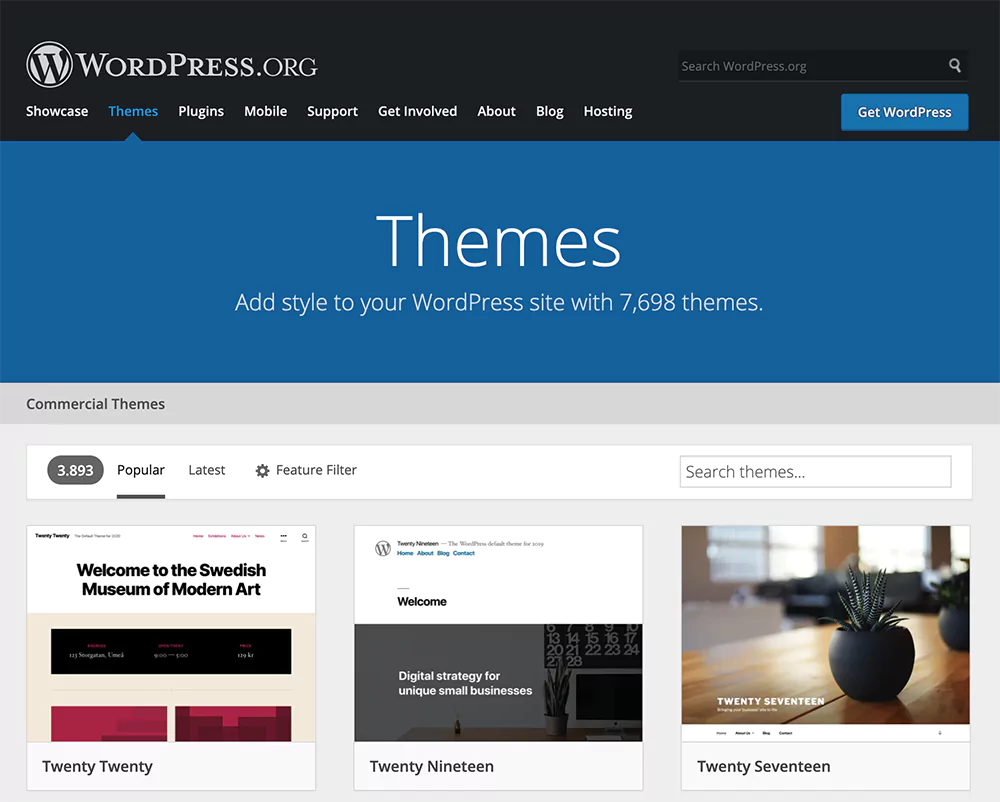
Define Your Needs Accurately
Before you start looking for a theme, you need to have clearly defined your project’s requirements. Last month, we made a mistake at exactly this point while choosing a theme for an e-commerce site, and the process dragged on. The “way of displaying product variations”, which the client had not mentioned at first, caused a problem toward the end of the site build. To avoid surprises like this, list your site’s needs in advance.
Be sure to ask yourself these questions:
- What is your site being built for? (Blog, e-commerce, corporate presentation, portfolio, etc.)
- Which features are must-haves? (Multilingual support, payment system integration, booking system, etc.)
- If you serve a specific industry, what kind of industry-specific modules do you need?
- What is your site’s growth potential? Might there be features you want to add in the future?
Once you have defined your needs clearly, your theme research will be much more efficient. Now you know what you are looking for, and you can stay away from themes bloated with unnecessary features.
Critical Factors in Choosing a WordPress Theme
1. Performance and Speed
In 2023, Google’s Core Web Vitals metrics carry far greater weight in SEO rankings. In the projects we have done over the last six months, some of our clients saw organic traffic increases from a theme change alone. A modern WordPress theme should be optimized for speed. When choosing a theme, pay attention to the following:
Prefer themes with a lightweight, clean code structure. To measure real site speed, test the theme’s demo page with tools such as GTmetrix or PageSpeed Insights. To judge the theme developer’s approach to speed, look at the promises on the theme’s promotional page and at user reviews.
When we tested three different themes for a client in recent months, we saw differences of up to 60% in performance results even though they looked visually similar. That is why I recommend running speed tests before buying a theme.
2. Mobile Compatibility
More than 70% of internet traffic in Turkey now comes from mobile devices. That is why you need to look carefully not only at the desktop version of your theme but also at its mobile version. Some themes look great on desktop but contain design flaws that damage the user experience on mobile devices.
Test the theme’s demo page on different devices and pay attention to the following points:
- Is the menu system user-friendly on mobile devices?
- Are buttons and interactive areas large enough to tap easily with a finger?
- Does the content flow follow a logical layout on a mobile screen?
- Is the loading speed acceptable on mobile devices?
3. Update Frequency
Choosing a theme that is actively developed and regularly updated is critical for long-term site security. Last year, one of our client’s sites suffered a security vulnerability because it used a theme that had not received an update in two years, and we had to rebuild the entire site.
When choosing a theme, check the following:
What matters is the theme’s last update date, whether it is compatible with the latest version of WordPress, the developer’s support history and response speed, and what user reviews say about technical support. You can also review the theme’s changelog to see how often and what kinds of updates it receives.
4. Plugin Compatibility
Much of the power of the WordPress ecosystem comes from plugins. However, some themes can have compatibility problems with certain popular plugins. Especially if you will be working with large and complex plugins such as WooCommerce, WPML or Elementor, you need to make sure the theme is fully compatible with them.
In recent months, on one of our e-commerce projects, we lost a great deal of time because of an incompatibility between the theme and the cart plugin. That is why you should check which major plugins the theme has been officially tested with and is compatible with.
Free vs. Premium WordPress Themes
One of the questions I hear most often when it comes to theme selection: “Should I use a free theme, or should I invest in a premium one?” There is no single right answer to this question, but you need to know the strengths and weaknesses of both options.
Pros and Cons of Free Themes
Free themes in the official WordPress theme directory go through a strict review for compliance with WordPress coding standards. This indicates that they have a secure, good-quality code base. However, they are usually limited in features and their technical support options are restricted.
Lately, themes whose free versions are good quality, such as Kadence, Astra and GeneratePress, offer a good starting point. You can start with the free versions of these themes and move to the premium versions if you need to.
The Value Premium Themes Offer
Premium themes generally come with the advantages of more features, better support and more frequent updates. Especially if you are building a site for a specific niche (real estate, restaurant, healthcare, etc.), premium themes designed specifically for that industry can save you a lot of time.
In a project we did for an accommodation business last year, using a special premium theme that supported a booking system saved us at least 20 hours of custom development time. Sometimes the right premium theme can pay for itself quickly.
Traps to Avoid When Buying a WordPress Theme
After setting up hundreds of themes, I want to share with you the traps my clients fall into most often:
1. The “Does Everything” Theme Syndrome
Many themes are marketed with promises such as “200+ demos”, “unlimited design options” and “compatible with all plugins”. However, in my experience, themes that try to do everything usually cannot do anything perfectly. Especially on marketplaces like ThemeForest, some best-selling “super multipurpose” themes are bloated with unnecessary code, and this has a negative effect on performance.
Instead, try to choose more focused themes tailored to your needs. Fewer features but better code usually gives a better result.
2. The Trap of Being Impressed by Visuals
The eye-catching visuals on theme promotional pages can sometimes be misleading. Most of these visuals are the result not of the theme itself, but of the demo content and specially prepared images. Last year, a client bought a theme just by looking at the demo visuals and was later disappointed because he could not get the same result with his own content.
To avoid this trap, be sure to examine the theme’s live demo and, if possible, look at different demo sites. Also try to understand how the theme looks in its bare form, in other words, what kind of basic structure it has without the demo content.
3. The Page Builder Mindset
Many modern themes come with their own proprietary page builders or work integrated with popular page builders such as Elementor and WPBakery. Although these tools make site design easier, when you decide to change your theme, they can leave your content full of shortcodes.
To prevent this problem, take care to choose themes that are fully compatible with the Gutenberg editor, or, if you are going to use a page builder, it will be to your benefit to research how your content will be affected when you change the theme. In general, there are many themes that work with popular page builders such as Elementor and WPBakery, but if a theme provides its own custom widgets in addition to the standard widgets of these page builders, you may need to be careful when changing themes. In such cases, making your theme changes carefully lets you update your website more safely. If you are still not sure, you can contact “Burak Dizdar” to have your website updated professionally.
A Professional Approach to Choosing a WordPress Theme
Finally, as a professional WordPress developer, I want to share my approach to the theme selection process with you:
- Function first, then aesthetics: Themes usually sell on looks, but functionality and performance matter far more in the long run. Instead of eye-catching animations, a theme that loads fast and works without problems is always more valuable.
- A lean and focused approach: For the past two years, I have started using more minimalist and lightweight themes in my projects. Performance-focused themes such as Kadence, GeneratePress and Astra offer a solid foundation to which you can add the features you need.
- Research real user experiences: Look not at the theme’s promotional material, but at real user reviews and discussions in the WordPress forums. Pay particular attention to negative reviews – they can give you valuable information about the theme’s weaknesses.
- Try a trial version: If possible, try a trial version or the free version of the theme before buying. Many premium theme developers now offer this option.
Conclusion: The Right Theme Is Half the Battle
Choosing the right theme for your WordPress site is perhaps the most important step of your journey. The right choice saves you time, reduces technical problems and improves your site’s performance. A wrong theme choice, on the contrary, can force you to keep looking for fixes and sometimes even to start from scratch.
By taking the criteria I have shared in this post into account, you can choose the theme that best fits your needs. Remember, the most expensive or most popular theme may not be the best choice for you. What matters is choosing a theme that meets your specific needs, is performance-focused and is future-proof.
If you have questions about choosing a WordPress theme or would like to share your experiences, feel free to get in touch. And if you would like professional support for your custom theme needs and all your WordPress-related problems, don’t hesitate to contact us.
I wish you a successful WordPress journey!