
Over the past 20 years, internet technologies have developed at an incredible pace. I remember loading a simple web page taking minutes back in the 90s. Today, we watch high-definition videos within seconds and use complex web applications without a hitch. One of the most important factors behind this transformation is the advances in the web’s core communication protocols. The web is now preparing for a new revolution: HTTP/3 and QUIC, the protocol underneath it.
To improve your website’s performance, strengthen your SEO efforts or enhance the user experience, you need to follow technological developments closely. The HTTP/3 and QUIC protocols will make a big difference for website owners, developers and businesses in the coming years. In this article, we will take a detailed look at what these new technologies are, how they work and why they matter for your web projects.
The Evolution of the HTTP Protocol: From HTTP/1 to HTTP/3
HTTP (Hypertext Transfer Protocol) is the fundamental protocol that handles data transfer between web browsers and servers. This protocol, which we can think of as the backbone of the web, has gone through significant changes over time:
HTTP/1.0 and HTTP/1.1: Carrying the vast majority of web traffic from the early 1990s until 2015, these protocols had a sequential, blocking structure. In other words, one request could not be processed until another was completed. This led to a problem known as “head-of-line blocking,” which significantly slowed down web page loading.
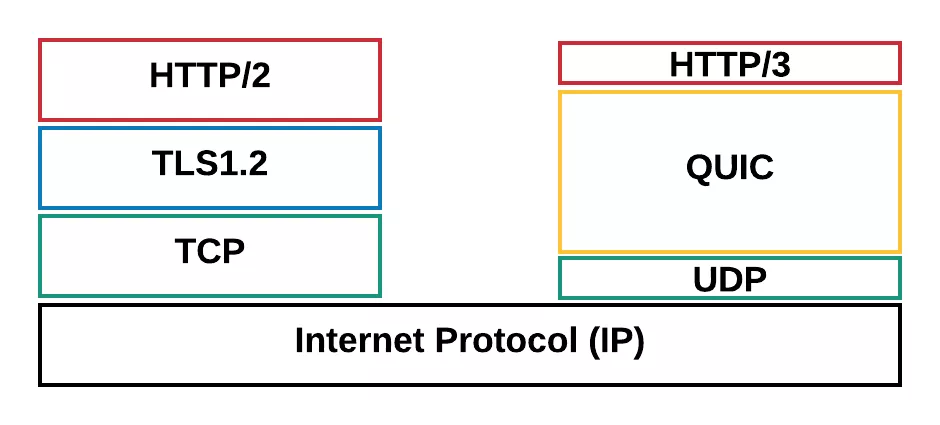
HTTP/2: HTTP/2, which started to become widespread in 2015, could send parallel requests over the same TCP connection thanks to its multiplexing feature. This significantly increased web page loading speed. However, because HTTP/2 is built on top of TCP, some fundamental problems persisted.
HTTP/3: The newest protocol, HTTP/3, brings a completely different approach by using the UDP-based QUIC protocol instead of TCP. This radical change is shaping the future of the web and eliminating many of the drawbacks of earlier versions.
The QUIC Protocol: The Cornerstone of HTTP/3
The QUIC (Quick UDP Internet Connections) protocol was first developed by Google and was later standardized by the IETF (Internet Engineering Task Force), forming the foundation of HTTP/3. QUIC’s most notable feature is that it is based on UDP instead of TCP.
TCP is a mature protocol that provides reliable, ordered data delivery. However, this reliability leads to performance problems, especially on networks with high latency. QUIC, on the other hand, uses the fast and lightweight nature of UDP and rebuilds TCP’s reliability features at the application level.
What QUIC Brings That Is New
The QUIC protocol offers many important innovations designed for the modern web:
- Zero-RTT Connection Setup: For requests to a server that has been connected to before, data transfer can start with no waiting time at all to re-establish the connection (0-RTT). This makes a big difference, especially for mobile users.
- Connection Migration: It allows a connection to continue without being interrupted when a user switches from one network to another (for example, from WiFi to mobile data).
- True Multiplexing: Different data streams sent over the same connection are completely independent of each other; a loss in one does not affect the others.
- Encryption by Default: QUIC works integrated with TLS 1.3 and encrypts all data transfer by default.
The Advantages HTTP/3 and QUIC Provide
The HTTP/3 and QUIC protocols offer many important advantages for website owners, users and developers. Understanding these advantages will help you grasp why the new protocols matter so much.
Faster Page Loading Times
HTTP/3 performs much better, especially on high-latency mobile networks or connections with packet loss. According to research, using HTTP/3 can reduce page loading times by up to 30%. This is critically important especially for e-commerce sites, because every 100 milliseconds of improvement in page loading time can bring an increase of up to 1% in conversion rates.
An Improved Experience for Mobile Users
Today, more than 60% of internet traffic comes from mobile devices. HTTP/3’s connection migration feature delivers a seamless experience even when users switch from WiFi to mobile data (or vice versa). This significantly increases the usability of your website, especially for users on the move.
SEO Advantages
Google uses page speed as a ranking factor and cares more and more about the mobile experience in particular. The speed improvements achieved with HTTP/3 can indirectly have a positive effect on your SEO performance as well. The fact that Google has long been using the QUIC protocol on its own servers also shows the importance it gives to this technology.
More Secure Data Transfer
The QUIC protocol works integrated with TLS 1.3 and provides encrypted data communication by default. This helps you better protect your users’ data, while also making the use of HTTPS more efficient.
How to Enable HTTP/3 and QUIC Support on WordPress Sites
There are a few practical methods for WordPress site owners who want to benefit from the HTTP/3 and QUIC protocols. Although applying these methods requires some technical knowledge, they are definitely worth it considering the benefits they provide.
HTTP/3 Support via CDN Services
The easiest way to add HTTP/3 support to your site is to use a CDN (Content Delivery Network) that supports this protocol. Most of the leading CDN providers currently offer HTTP/3 and QUIC support:
- Cloudflare: One of the earliest providers to offer HTTP/3 support, and you can use this feature even on its free plan.
- Akamai: Offers enterprise-grade HTTP/3 support.
- Fastly: Offers HTTP/3 and QUIC support in beta.
- AWS CloudFront: Amazon’s CDN service has also started to provide HTTP/3 support.
Integrating one of these CDN services with your WordPress site is usually as easy as installing a plugin or making simple changes to your DNS settings.
Server-Level HTTP/3 Configuration
If you manage your own server and your technical skills are sufficient, you can add HTTP/3 support at the server level. Popular web servers such as Nginx and Apache have started to offer HTTP/3 support through modules:
Configuring HTTP/3 for Nginx involves the following steps:
- Compiling Nginx from source code with HTTP/3 support
- Adding the necessary directives for the QUIC and HTTP/3 protocols to the configuration file
- Configuring SSL certificates correctly
Since this process requires technical knowledge, if you are not experienced in server management, I recommend getting professional help or choosing CDN solutions instead.
Tips for HTTP/3 Performance Optimization
After switching to HTTP/3, you should also consider some optimized practices to get the maximum benefit from this new protocol:
Using Early Hints
With HTTP/3, the “103 Early Hints” response code can be used more effectively. This feature tells the browser which resources (such as CSS and JavaScript files) it can preload before the main content has loaded. Enabling Early Hints for your WordPress site can improve page loading speeds even further.
Using Preload Instead of Server Push
Server Push, which was popular with HTTP/2, is not really recommended with HTTP/3. Instead, you can tell the browser which resources should be loaded as a priority by using preload directives such as <link rel="preload">. This approach is more compatible with modern browsers and works more efficiently.
Seamless Transition Strategy
Because HTTP/3 is not yet supported by all browsers, you should make sure your site supports HTTP/1.1, HTTP/2 and HTTP/3 alike. Modern CDN services usually handle this protocol negotiation automatically, so each user uses the best protocol supported by their own browser.
Conclusion: Get Ready for the Future
The HTTP/3 and QUIC protocols represent the future of the web. These new technologies significantly improve the web experience, especially for mobile users and visitors with poor connections. As WordPress site owners and web developers, now is the perfect time to take action and benefit from the advantages these new protocols offer.
Remember that web technologies are constantly evolving, and to maintain a competitive edge you need to follow these developments closely. HTTP/3 and QUIC are not just a technical improvement; they can be a strategic move that improves the user experience, increases conversion rates and potentially boosts SEO performance.
If you need help with how to add HTTP/3 support to your site, or if you want to learn more about modern web technologies, don’t hesitate to get in touch with us. We are here to get your website ready for the future!